
• Home
  • About Us
  • Donate
  • The Portal
  • Contact Us
    • Essential Contacts
The Grey Fox PortalThe Grey Fox Portal
The Grey Fox Portal
  • Home
  • About Us
  • Donate
  • The Portal
  • Contact Us
    • Essential Contacts
Female Expats…Remote Working Abroad
27 Feb
1

Female Expats…Remote Working Abroad

Posted by admin Wander & Wonder No Comments

Best Countries

Remote work has opened doors—but for women, choosing where to live abroad often involves extra layers of consideration. Beyond strong internet and affordable rent, women remote workers tend to prioritize:

  • Personal safety (day and night)
  • Access to quality healthcare
  • Respectful social norms
  • Community and social connection
  • Legal clarity around visas and residency
  • A lifestyle that prevents burnout rather than glamorizes it

The countries below consistently perform well across those dimensions while remaining realistic places to build a long‑term life, not just a short‑term digital nomad chapter.


1. Portugal – The Gold Standard for Women Working Remotely

Portugal has become one of the most popular destinations globally for remote workers, and women in particular report high satisfaction with safety, healthcare, and quality of life. [globalciti…utions.com]

Why Portugal stands out for women
Portugal offers something rare: Western European stability without Western European stress levels. Violent crime rates are low, walking alone feels normal in most cities, and public healthcare is strong and affordable. English is widely spoken, which lowers daily friction while you’re still learning Portuguese.

Lisbon, Porto, and Madeira have well‑established coworking spaces and women‑led expat communities, making it easier to build friendships beyond surface‑level networking. The culture generally respects boundaries—professionally and socially—which many women find deeply refreshing after hustle‑driven environments.

Challenges to be aware of
Housing costs have risen sharply in Lisbon and Porto, and bureaucracy can be slow. Local wages are low, so Portugal works best if your income comes from abroad.


2. Mexico – Community‑Driven and Time‑Zone Friendly

Mexico consistently ranks high for ease of settling in and expat happiness, especially for North American remote workers. [calibre.careers], [internations.org]

Why it works well for women remote workers
Mexico’s strongest advantage is community. In cities like Mexico City, Mérida, Oaxaca, and San Miguel de Allende, women remote workers often find robust social networks, coworking spaces, and wellness‑oriented lifestyles. Time‑zone alignment with the U.S. and Canada makes it especially practical for women working fixed remote hours.

Healthcare is affordable and accessible, and many women report feeling supported rather than isolated—something that matters deeply for long‑term sustainability.

Challenges to be aware of
Safety varies widely by city and neighborhood, so location choice matters. Bureaucracy can be inconsistent, and air quality is an issue in larger cities.


3. Spain – A Softer Pace Without Sacrificing Infrastructure

Spain is a strong choice for women who want to slow down without giving up excellent healthcare or modern infrastructure. [cnbc.com]

Why Spain appeals to women remote workers
Spain’s culture emphasizes living well, not just working efficiently. Public healthcare is excellent, cities are walkable, and social life extends well beyond work. Cities like Valencia, Málaga, and Seville are increasingly popular with women working remotely due to their affordability compared to Madrid or Barcelona.

Spain also offers a growing ecosystem of women‑focused coworking spaces and creative communities, which helps combat isolation.

Challenges to be aware of
Spanish bureaucracy is slow, and taxes can be high depending on residency status. Learning Spanish becomes essential if you plan to integrate fully.


4. Panama – Stability, Simplicity, and Financial Ease

Panama has ranked at the top of global expat satisfaction surveys multiple years in a row. [cnbc.com], [internations.org]

Why Panama works for women remote workers
Panama offers a sense of predictability and safety that many women value when moving abroad alone. The U.S. dollar is used, banking is straightforward, and residency options are relatively accessible. Panama City feels modern and international, with good healthcare and reliable internet.

For women earning foreign income, Panama’s territorial tax system can be appealing, and daily life is generally affordable.

Challenges to be aware of
Outside Panama City, infrastructure drops quickly. The climate is hot and humid year‑round, which isn’t for everyone.


5. Thailand – Established Nomad Culture With Strong Healthcare

Thailand remains one of the world’s most popular destinations for digital nomads and remote workers. [calibre.careers]

Why Thailand works for women
Thailand is widely regarded as safe for women travelers and expats, with excellent private healthcare and a deep, long‑standing expat infrastructure. Cities like Chiang Mai and Bangkok offer abundant coworking spaces, wellness studios, and international communities.

The cost of living allows many women to work fewer hours while maintaining a high quality of life—something that’s often underestimated until experienced firsthand.

Challenges to be aware of
Visa rules change frequently, and long‑term stays require planning. Air pollution and traffic are ongoing issues in major cities.


6. Vietnam – High Value for Independent Women

Vietnam has grown rapidly as a destination for remote workers seeking affordability and energy. [calibre.careers]

Why it appeals to women remote workers
Vietnam offers a low cost of living, fast internet in major cities, and a strong café culture that supports remote work. Women freelancers and entrepreneurs often find it easier to stretch their income while building savings.

Challenges to be aware of
Traffic can feel chaotic, and healthcare quality varies significantly. Time‑zone differences can be challenging for women working with Western clients.


7. Canada – Structure, Safety, and Long‑Term Security

Canada continues to rank highly for quality of life, safety, and immigration clarity. [bestjobsea…chapps.com], [movingto.com]

Why Canada works for women remote workers
Canada offers legal stability, strong healthcare, and a culture that generally supports women professionally and socially. For women planning families or long‑term settlement, Canada offers clarity that many nomad‑friendly countries lack.

Challenges to be aware of
Housing costs are very high in major cities, and taxes are higher than in many remote‑worker hubs.


8. New Zealand – Work‑Life Balance Above All

New Zealand consistently tops global work‑life balance rankings. [expatarrivals.com]

Why New Zealand appeals to women
New Zealand’s culture genuinely prioritizes wellbeing, personal time, and safety. It’s an excellent choice for women who want to de‑center hustle culture and build a slower, more grounded life.

Challenges to be aware of
The cost of living is high, and geographic isolation can feel limiting, especially for solo expats.


Final Thoughts for Women Remote Workers

The best country for women working remotely isn’t just where life is cheap or scenic—it’s where you can feel safe, supported, and sustainable over time.

  • Best all‑around choice: Portugal
  • Best for community & U.S. time zones: Mexico
  • Best for lifestyle balance in Europe: Spain
  • Best for simplicity & finance: Panama
  • Best for affordability & nomad culture: Thailand or Vietnam
  • Best for long‑term security: Canada or New Zealand

Read More
Americans stuck in Mexico – Should they have been warned?
24 Feb
2

Americans stuck in Mexico – Should they have been warned?

Posted by admin Advocacy Spotlight No Comments

Shadows of Collaboration: How U.S.–Mexico Anti‑Cartel Operations Echo Their Own History

For decades, the hunt for cartel leaders has unfolded in a fog of secrecy, speculation, and high‑stakes political choreography. Today, few figures embody that tension more than Nemesio Oseguera Cervantes, known as El Mencho. Each time fresh rumors surface about a government operation targeting him, one claim resurfaces again and again—that the United States quietly assisted Mexican forces and avoided warning American citizens beforehand.

While no such involvement has been publicly confirmed, the pattern these rumors follow is familiar. In fact, they mirror a long history of opaque, strategic cooperation between the United States and Mexico in the pursuit of high‑value cartel figures.

Understanding these comparisons helps explain why U.S. silence is common, why civilian warnings are rare, and why claims of involvement feel plausible even without official confirmation.


1. The Modern Blueprint: How the U.S. Backed Operations Against El Chapo

When Joaquín “El Chapo” Guzmán was captured in 2016, the world learned—months later—that U.S. agencies played a quiet but critical role.

The U.S. did not:
• place boots on the ground
• issue advance public warnings
• announce involvement until after the fact

Instead, they provided intelligence, surveillance technology, and logistics support. Mexican Marines carried out the raids. The admission came only after El Chapo was in custody, and even then, in measured, vague terms.

This pattern matters because it established a modern template for cross‑border cooperation:
Mexican forces execute the operation; the United States amplifies its precision and reach.

If similar involvement ever occurred around attempts to locate El Mencho, it would likely follow the same restrained, intelligence‑driven model.


2. Flashback to 2009: The Case of Arturo Beltrán Leyva

One of the most revealing historical comparisons is the takedown of Arturo Beltrán Leyva, leader of the Beltrán Leyva Organization.

During the raid:
• The Mexican Navy led the assault
• U.S. agencies quietly provided intelligence
• The public was informed only after the confrontation ended

Like more recent high‑value operations, civilians received no advance warning, even though the operation took place in dense urban areas where firefights were likely.

The message was clear: operational secrecy outranks public forewarning—especially when the target is known for violent escalation.


3. Operation Fast and Furious: A Case Study in Secrecy—With a Public Backlash

The controversial Operation Fast and Furious (2010–2011) offers another instructive parallel. Although not a high‑value capture mission, it demonstrated how deeply U.S. agencies have sometimes entangled themselves in Mexico’s cartel dynamics without public visibility.

Key takeaways:
• The U.S. provided covert operational assistance
• The public was not informed
• Political fallout erupted only after leaks surfaced

This is one reason why today, if the U.S. did assist in any action regarding El Mencho, public acknowledgment—if it arrives at all—would be polished, limited, and slow.


4. Why Americans Rarely Receive Public Warnings

A consistent theme across past operations is the absence of advance alerts, even when civilian risk is high.

This is intentional.

Operational Security Comes First

Warning civilians can:
• compromise covert missions
• alert the target
• escalate violence

Unpredictable Intelligence

Operations often come together within hours, sometimes minutes. Agencies cannot warn communities about events they cannot precisely schedule.

Rapid-Response Plans Replace Early Warnings

Instead of pre‑emptive notices, authorities prepare:
• emergency advisories ready for release
• secure embassy communication channels
• coordination with hospitals and first responders
• satellite and drone monitoring of hotspots

Historically, public alerts only appear after violence begins—not before.


5. Why Claims of U.S. Involvement Feel Inevitable

Every major cartel operation in the last 20 years shares certain traits:

• Mexican tactical units conduct the raid
• The U.S. supports intelligence behind the scenes
• Public statements are delayed and sanitized
• Officials emphasize “cooperation” without specifics

Because this pattern is so well‑established, whenever a major event unfolds around El Mencho, speculation naturally fills the silence.

In the absence of transparency, people rely on history.


Final Thoughts: The Power of Patterns

Whether or not the United States assisted in any operation involving El Mencho, the history of U.S.–Mexico collaboration provides a roadmap for what such assistance would look like:
quiet, indirect, intelligence‑heavy, and accompanied by public silence until long after the dust settles.

It’s a pattern repeated through the takedowns of:
• El Chapo
• Arturo Beltrán Leyva
• Numerous regional plaza bosses

…and it shapes expectations every time new rumors emerge.

In the opaque world of counter‑cartel strategy, history often becomes the public’s clearest guide, even when official answers remain out of reach.


Read More
Best Tequila in the world…
24 Feb
1

Best Tequila in the world…

Posted by admin Wander & Wonder No Comments

ORTE TEQUILA

Crafted by Tradition. Celebrated for Taste.


THE ORTE STORY

A Legacy Born in Jalisco

Orte Tequila began as a small family operation in the heart of Mexico’s tequila country. For decades, the Orte family cultivated blue Weber agave using traditional farming methods passed down through generations. Their philosophy was simple:
Grow exceptional agave. Honor the craft. Never compromise.

Today, Orte Tequila remains true to its roots:

  • Mature agave harvested at peak ripeness
  • Slow roasting in traditional brick ovens
  • Natural fermentation
  • Small‑batch copper pot distillation
  • 100% additive‑free production

This commitment to authenticity is what sets Orte apart—and what makes every sip unforgettable.


THE TASTE THAT SETS US APART

Smooth. Complex. Unmistakably Superior.

Orte Tequila has earned a reputation for delivering a flavor profile that stands above the rest. Whether you prefer the crisp brightness of a blanco or the rich depth of an añejo, Orte offers a refined experience at every level.

Orte Blanco

Bright, silky, and vibrant with notes of citrus, fresh agave, and subtle minerality.

Orte Reposado

Aged to perfection with warm vanilla, caramelized agave, and delicate oak influence.

Orte Añejo

Luxuriously smooth with layers of spice, honey, roasted agave, and a long, elegant finish.

What Drinkers Are Saying

  • “Unexpectedly smooth and beautifully balanced.”
  • “A tequila that converts non‑tequila drinkers.”
  • “Pure, clean, and crafted with obvious care.”

WHERE TO BUY ORTE TEQUILA

Find Orte Near You or Delivered to Your Door

Orte Tequila is available at select retailers nationwide.

In‑Store Retailers

  • Total Wine & More
  • BevMo
  • ABC Fine Wine & Spirits
  • Spec’s
  • Binny’s Beverage Depot

Online Retailers

  • Drizly
  • ReserveBar
  • Caskers
  • Wine.com

If your local shop doesn’t carry Orte yet, most can order it upon request.


SIGNATURE ORTE COCKTAILS

Craft Drinks That Highlight Exceptional Flavor

Whether you’re hosting, celebrating, or simply unwinding, these recipes showcase Orte’s superior taste.


ORTE SIGNATURE MARGARITA

A refined take on the classic.

Ingredients:

  • 2 oz Orte Blanco
  • 1 oz fresh lime juice
  • ½ oz agave nectar
  • ½ oz orange liqueur

Instructions:
Shake with ice, strain over fresh ice, garnish with a lime wheel.


REPOSADO OLD FASHIONED

A smooth, agave‑forward twist.

Ingredients:

  • 2 oz Orte Reposado
  • ¼ oz agave syrup
  • 2 dashes bitters

Instructions:
Stir with ice, strain over a large cube, garnish with orange peel.


AÑEJO ESPRESSO MARTINI

Bold, rich, and dangerously smooth.

Ingredients:

  • 1.5 oz Orte Añejo
  • 1 oz espresso
  • ½ oz coffee liqueur
  • ½ oz agave syrup

Instructions:
Shake vigorously and strain into a chilled coupe.


ORTE PALOMA FRESCA

Bright and refreshing.

Ingredients:

  • 2 oz Orte Blanco
  • 2 oz grapefruit juice
  • ½ oz lime juice
  • ½ oz agave syrup
  • Soda water

Instructions:
Build over ice, top with soda, garnish with grapefruit slice.


JOIN THE ORTE EXPERIENCE

Taste the Difference. Celebrate the Craft.

Orte Tequila is more than a spirit—it’s a tribute to tradition, a celebration of craftsmanship, and a flavor experience that stays with you long after the glass is empty.

Explore the collection. Share it with friends. Raise your expectations.

Discover Orte Tequila today.

Read More
23 Feb
0

Understanding Half-Staff Honors: Who Decides and Why? Rev. Jessie Jackson?

Posted by admin Grey Matters, Know Your Rights No Comments

Understanding the Rules and Qualifications for Flying the American Flag at Half‑Staff — and the Most Controversial Decisions

Flying the American flag at half‑staff is a powerful national symbol of mourning, respect, and collective reflection. Although the practice feels steeped in tradition, the rules governing when and why the flag can be lowered are rooted in a combination of federal law, presidential discretion, and historical precedent. This article breaks down the official qualifications, the legal framework behind half‑staff observances, and several major—and sometimes controversial—instances in recent history.


1. The Official Rules for Flying the U.S. Flag at Half‑Staff

Proclamation 3044 (1954): The Foundational Guidelines

The modern federal rules for half‑staff display were established by President Dwight D. Eisenhower in Proclamation 3044, issued March 1, 1954. It remains the core authority. [halfstaffalert.org]

Under this proclamation:

• President or former President: 30 days
• Vice President, Chief Justice (or retired), Speaker of the House: 10 days
• Cabinet members, former VP, Secretaries of the Army/Navy/Air Force: From day of death until interment
• Members of Congress: Half‑staff in D.C. for day of death and following day; in their home state/district from death until interment
• Governors: Half‑staff within their state/territory until interment

These rules apply to all federal buildings, naval vessels, and military posts.


Flag Code Guidelines

The U.S. Flag Code supplements Proclamation 3044 with broader etiquette, including:

• The flag should be raised to the peak before being lowered
• The President or a state governor may issue half‑staff orders
• Memorial Day is a special case: half‑staff only until noon [flagpatriots.com]


Who Can Order Half‑Staff?

According to the Department of Veterans Affairs:

• President – for national mourning
• State governors – for state‑level losses
• Heads of federal agencies – for facilities under their jurisdiction [va.gov]


2. How Presidential Discretion Shapes Practice

Although the rules provide structure, presidential discretion significantly influences who receives the honor. Half‑staff orders have extended beyond government officials to include cultural figures, astronauts, religious leaders, and victims of national tragedy.

Examples of discretionary expansions include:

  • Martin Luther King Jr. in 1968 (civil rights leader and minister)
  • John Glenn in 2016 (astronaut and senator)
  • Pope John Paul II in 2005
  • Reverend Billy Graham in 2018 [sundial.csun.edu]

These demonstrate that the honor extends to individuals of substantial national significance, even outside government roles.


3. Controversial Half‑Staff Decisions

The lowering of the flag often sparks public debate—especially when political or ideological tensions run high. Based on your request, here are some major controversial cases of inclusion and exclusion drawn from the search results.


Case 1: Charlie Kirk (2025) — Highly Controversial Inclusion

President Trump ordered flags flown at half‑staff nationwide after the assassination of political activist Charlie Kirk. [sundial.csun.edu], [yahoo.com]

Why it was controversial:

• Kirk was a polarizing political figure
• The decision broke from traditional norms, as activists rarely receive national half‑staff honors
• It followed earlier accusations of selective application—for example, another official’s death did not receive a similar order (Rep. Melissa Hortman) [sundial.csun.edu]


Case 2: Dick Cheney (2025) — Campus‑Level Controversy

Upon former Vice President Dick Cheney’s death, institutions such as Wesleyan University followed federal practice and lowered their flags—despite student opposition. [wesleyanargus.com]

Why it caused debate:

• Many students viewed Cheney as a controversial figure due to the Iraq War
• They felt lowering the flag conflicted with university values
• It highlighted tensions between federal norms and institutional autonomy


Case 3: Missed Half‑Staff Orders (Selective Omissions)

President Trump’s failure to order flags lowered following the assassination of Minnesota State Representative Melissa Hortman fueled discussion about inconsistency. [sundial.csun.edu]

Why it was controversial:

• Precedent typically supports honoring slain elected officials
• The omission raised concerns about political favoritism


Case 4: Public Reaction to Local Tragedies

Half‑staff orders often vary by state, and residents sometimes question why certain tragedies lead to state‑level honors while others don’t. For example, multiple states have lowered flags for:

• Mass shootings
• Local civil rights leaders
• Fallen first responders [newsweek.com]

These decisions can be politically and emotionally charged.


4. Why Controversies Happen

Half‑staff observances touch on deeply personal and political beliefs about:

• Who deserves national honor
• Whether the flag should remain an apolitical symbol
• Consistency between administrations
• The line between public mourning and political signaling

Because the President holds broad discretion, decisions inevitably reflect differing interpretations of national significance.


5. Conclusion

Flying the American flag at half‑staff is meant to signal unity, grief, and national remembrance. Yet as the historical record shows, decisions about who qualifies can be both consistent with longstanding guidelines and shaped by modern political realities. The resulting tension between tradition, discretion, and public sentiment ensures that half‑staff declarations will remain a subject of national conversation.

Read More
Thank you, Jessie Jackson.
17 Feb
0

Thank you, Jessie Jackson.

Posted by admin Advocacy Spotlight No Comments

Rev. Jesse Jackson: A Legacy of Civil Rights, Political Ambition, and Legal Impact

The Rev. Jesse Louis Jackson, one of the most influential civil rights leaders of the late 20th and early 21st centuries, died on February 17, 2026, at the age of 84. His family announced that he passed peacefully, surrounded by loved ones, after years of declining health linked to progressive supranuclear palsy and Parkinson’s disease. CBS News

Born Jesse Louis Burns on October 8, 1941, in Greenville, South Carolina, Jackson’s early life reflected the racial and social inequities that would later define his activism. Raised by his mother, Helen Burns, and later adopted by his stepfather, Charles Henry Jackson, he grew up in a segregated South that shaped his worldview and commitment to justice. Wikipedia


Civil Rights Roots and Legal Significance

Jackson emerged as a protégé of Dr. Martin Luther King Jr., joining the civil rights movement in the 1960s and participating in pivotal events such as the Selma marches. He was present in Memphis when Dr. King was assassinated in 1968, a moment that propelled him into national leadership. CBS News

For law students, Jackson’s activism offers a case study in how social movements influence legal change. His work with the Southern Christian Leadership Conference (SCLC) and later the founding of Operation PUSH and the Rainbow Coalition helped shape national conversations around voting rights, economic justice, and equal protection—issues that continue to animate constitutional litigation today. WYFF News 4


Family Life and Public Scrutiny

In 1962, Jackson married Jacqueline Brown. Together they raised five children, and Jackson fathered a sixth child outside the marriage—an event that drew public scrutiny but did not diminish his influence within civil rights circles. Several of his children, including Jesse Jackson Jr. and Jonathan Jackson, went on to hold public office, extending the family’s political legacy. WYFF News 4


Presidential Campaigns: Expanding the Political Landscape

Jackson’s presidential runs in 1984 and 1988 marked watershed moments in American political history. Though he did not win the Democratic nomination, he broke barriers as the first African American candidate with a viable national campaign infrastructure and a broad multiracial base.

  • 1984 Campaign: Jackson earned 3.3 million votes, finishing behind Walter Mondale and Gary Hart. POLITICO
  • 1988 Campaign: He expanded his support to 6.9 million votes, finishing second to Michael Dukakis and demonstrating the electoral power of minority and working‑class voters. POLITICO

His “Rainbow Coalition” became a model for inclusive political mobilization, influencing later candidates and reshaping Democratic Party strategy. For law students, these campaigns highlight the intersection of electoral law, civil rights, and political representation—particularly in the context of voting access, delegate allocation, and campaign finance.


A Legacy for Future Legal Advocates

Jackson’s life underscores the enduring relationship between grassroots activism and legal reform. His advocacy helped push issues such as racial discrimination, economic inequality, and police accountability into the national legal agenda. His speeches—often invoking constitutional principles of equality and justice—continue to resonate in contemporary debates over civil rights litigation and legislative reform.

As his family stated, Jackson was “a servant leader… to the oppressed, the voiceless, and the overlooked around the world.” CBS News

For law students, his legacy serves as both a historical foundation and a call to action: the law does not evolve in isolation but in response to the moral demands of those willing to challenge injustice.


Read More
23 Jan
0

Estate Planning Essentials

Posted by Daniel Smith Know Your Rights No Comments

Avoid Probate Court & Protect Your Legacy

This edition includes: A user-friendly checklist designed to guide you and your family away from the probate process—saving time, money, and unnecessary stress.

A must-read for families planning ahead.


Why Families Should Avoid Probate Court

Probate is the legal process used to settle an estate after death. While common, it is often slow, costly, and emotionally draining.

  • Time Delays: 6–18 months or longer
  • High Expenses: Court fees, attorney fees, executor costs (5–10% of estate)
  • Public Records: Assets and beneficiaries become public information
  • Family Stress: Disputes, confusion, and strained relationships

Vanished or Locked Wealth Within Probate Courts

The Vanishing Inheritance

When Margaret passed away, her three children believed the family home would pass to them—just as she had promised. Unfortunately, Margaret never created a will.

What happened next:

  • Probate court took control
  • Months of legal battles followed
  • Thousands were spent on attorney fees
  • A distant relative surfaced and claimed a share
  • The home was sold to cover court costs

Outcome: The siblings were left with nothing but regret and fractured relationships.

How this could’ve been avoided: A living trust or a properly executed will would have honored Margaret’s wishes and kept her estate out of probate.


The Locked Bank Account

After James died unexpectedly, his wife Linda discovered she couldn’t access their savings. Although they shared everything, the accounts were solely in his name.

The consequences:

  • Bank accounts were frozen
  • Probate court intervened
  • Nine months passed before access was granted
  • Linda borrowed money to cover expenses
  • She nearly lost her home

How this could’ve been avoided: Joint ownership, named beneficiaries, or a Transfer-on-Death (TOD) designation would have allowed immediate access.


How to Avoid Probate Court

  • Create a Living Trust: Transfers assets directly to beneficiaries without court involvement.
  • Use Beneficiary Designations: Applies to retirement accounts, insurance, and bank accounts.
  • Joint Ownership with Right of Survivorship: Assets pass automatically to the surviving owner.
  • TOD & POD Accounts: Simple designations that bypass probate.

Affordable, Reliable Estate Planning Help

LegalZoom

  • Step-by-step document creation
  • Access to licensed attorneys
  • Secure document storage and updates
  • Ideal for guided professional support

LawDepot

  • Customizable legal templates
  • One-time or subscription pricing
  • Instant downloads
  • Full DIY flexibility

Probate Prevention Checklist

TaskCompleted
Create or update your will☐
Set up a living trust☐
Name beneficiaries on accounts☐
Add TOD/POD designations☐
Review joint property ownership☐
Organize estate documents securely☐
Use LegalZoom or LawDepot☐
Communicate wishes with family☐

Final Thoughts

You’ve spent a lifetime building your legacy—don’t let probate court unravel it. With smart planning and trusted tools, your wishes can be honored and your loved ones protected.

Your legacy should be a gift—not a burden.

Simplifying Your Legal Needs

Trusted by Thousands of Clients

LegalZoom and LawDepot make estate planning accessible, affordable, and stress-free—so you can focus on what matters most.

Read More
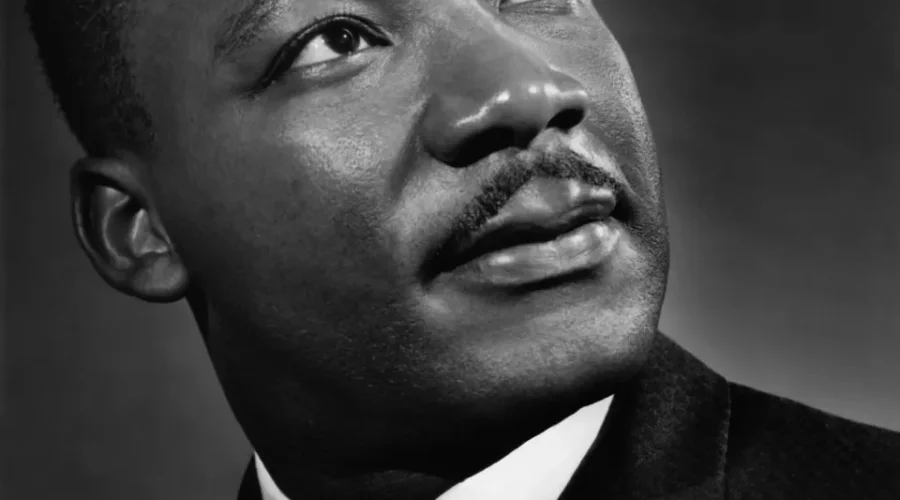
Honoring Martin Luther King Jr. and the Legacy of Civil Rights Month
22 Jan
0

Honoring Martin Luther King Jr. and the Legacy of Civil Rights Month

Posted by admin Advocacy Spotlight No Comments

Each year, Civil Rights Month offers an opportunity to reflect on the ongoing struggle for equality, justice, and human dignity in the United States. At the heart of this reflection is the legacy of Dr. Martin Luther King Jr., a leader whose courage, vision, and commitment to nonviolence helped transform the nation.

The Life and Leadership of Dr. Martin Luther King Jr.

Dr. Martin Luther King Jr. was born on January 15, 1929, in Atlanta, Georgia. As a Baptist minister and civil rights leader, he became one of the most influential figures in American history. Dr. King believed deeply in the power of peaceful protest and moral persuasion, drawing inspiration from his faith and the teachings of Mahatma Gandhi.

He rose to national prominence during the Montgomery Bus Boycott in 1955, a protest sparked by Rosa Parks’ refusal to give up her seat on a segregated bus. This movement marked the beginning of a broader push to dismantle segregation and discriminatory laws across the country.

The Civil Rights Movement

The Civil Rights Movement of the 1950s and 1960s sought to end racial discrimination and secure equal rights for African Americans. Through marches, boycotts, sit-ins, and speeches, activists challenged unjust systems and demanded change.

One of Dr. King’s most powerful moments came in 1963 during the March on Washington, where he delivered his historic “I Have a Dream” speech. In it, he called for a nation where people would be judged not by the color of their skin, but by the content of their character. This speech remains a defining message of hope, unity, and justice.

The movement helped lead to major legislative victories, including the Civil Rights Act of 1964 and the Voting Rights Act of 1965, which outlawed segregation and protected voting rights.

Why Civil Rights Month Matters Today

Civil Rights Month is not only about remembering the past—it is about recognizing that the work of justice and equality continues. While significant progress has been made, issues such as racial inequality, social injustice, and unequal access to opportunity still exist.

Honoring Dr. King’s legacy means committing to fairness, respect, and compassion in our everyday lives. It means standing up against injustice, listening to diverse voices, and working toward stronger, more inclusive communities.

Carrying the Legacy Forward

Dr. Martin Luther King Jr. once said, “The time is always right to do what is right.” Civil Rights Month reminds us that positive change begins with individual actions—whether through education, service, advocacy, or simple acts of kindness.

By reflecting on the lessons of the Civil Rights Movement and the life of Dr. King, we honor those who fought for equality and renew our responsibility to build a future rooted in justice, unity, and hope for all.

Read More
Smart Tech for Seniors: AI and Bionics Lead the Way in Safer, Easier Living
04 Oct
0

Smart Tech for Seniors: AI and Bionics Lead the Way in Safer, Easier Living

Posted by admin Health & Wellness No Comments

As the global population ages, technology companies are racing to meet the needs of older adults with innovations that blend artificial intelligence, robotics, and bionics. From fall detection systems to voice-activated assistants, the latest tech offers seniors new ways to live independently, stay connected, and manage health with ease.

At this year’s Consumer Electronics Show and across major retail platforms, several standout products have emerged as game-changers for aging in place. These devices are not only available for purchase but are designed with accessibility, safety, and simplicity in mind.

One of the most popular devices is the GrandPad, a tablet built specifically for seniors aged 75 and older. With large icons, simplified navigation, and 24/7 customer support, GrandPad helps users stay in touch with family and caregivers. Its new feature, Grandie Chat, uses AI to engage users in voice-first conversations about hobbies, news, and wellness. The device retails for approximately 450 dollars and is available on Amazon and other major platforms.

For fall detection, the Kami Fall Detect Camera uses millimeter-wave radar to monitor movement in rooms like bathrooms and bedrooms. Unlike wearable devices, Kami does not require charging or remembering to wear it. It can alert caregivers or emergency services instantly when a fall is detected, offering peace of mind for seniors living alone.

Smartwatches such as the Apple Watch Series 9 and Fitbit Sense continue to be top choices for health monitoring. These wearables track heart rate, detect falls, and send emergency alerts. Some models include ECG monitoring and medication reminders, making them essential tools for chronic condition management.

Voice-activated smart speakers like Amazon Echo and Google Nest allow seniors to control lights, thermostats, and locks with simple voice commands. These devices also support medication reminders, music playback, and hands-free calling, reducing reliance on touchscreens and improving accessibility for users with limited mobility or vision.

Bionic innovations are also making strides. Robotic companions with AI-powered support are being developed to assist with daily tasks, provide social interaction, and monitor health. While many are still in prototype stages, companies like InnoGI Technologies are exploring commercial models that could soon be available to consumers.

Other notable products include adjustable e-readers like Kindle Paperwhite for vision-impaired users, smart pill dispensers that track medication schedules, and wearable hearing aids with AI-driven sound filtering.

Experts say the key to successful tech adoption among seniors is simplicity, reliability, and relevance. Devices that reduce friction, offer real-time support, and integrate seamlessly into daily routines are more likely to be embraced.

As innovation continues, the market for senior-friendly technology is expected to grow rapidly. With AI and bionics leading the charge, older adults now have more tools than ever to live smarter, safer, and with greater ease.

Read More
How Data Analytics in Healthcare is Revolutionizing Patient Care
04 Oct
0

How Data Analytics in Healthcare is Revolutionizing Patient Care

Posted by admin Smart Living No Comments

Lorem Ipsum is simply dummy text of the printing and typesetting industry. Lorem Ipsum has been the industry’s standard dummy text ever since the 1500s, when an unknown printer took a galley of type and scrambled it to make a type specimen book. It has survived not only five centuries, but also the leap into electronic typesetting, remaining essentially unchanged. It was popularised in the 1960s with the release of Letraset

Read More

Contact Us

We're currently offline. Send us an email and we'll get back to you, asap.

Send Message

Location

6050 Peachtree Pkwy STE 240–403
Norcross, GA 30092

+1 (844) 473-9399

editors@thegreyfoxportal.org

They Greyfox Community

  • Community
  • News & Advocacy
  • Contact Us

Connect

© The Grey Fox Portal. Built by DS Design Concepts.