
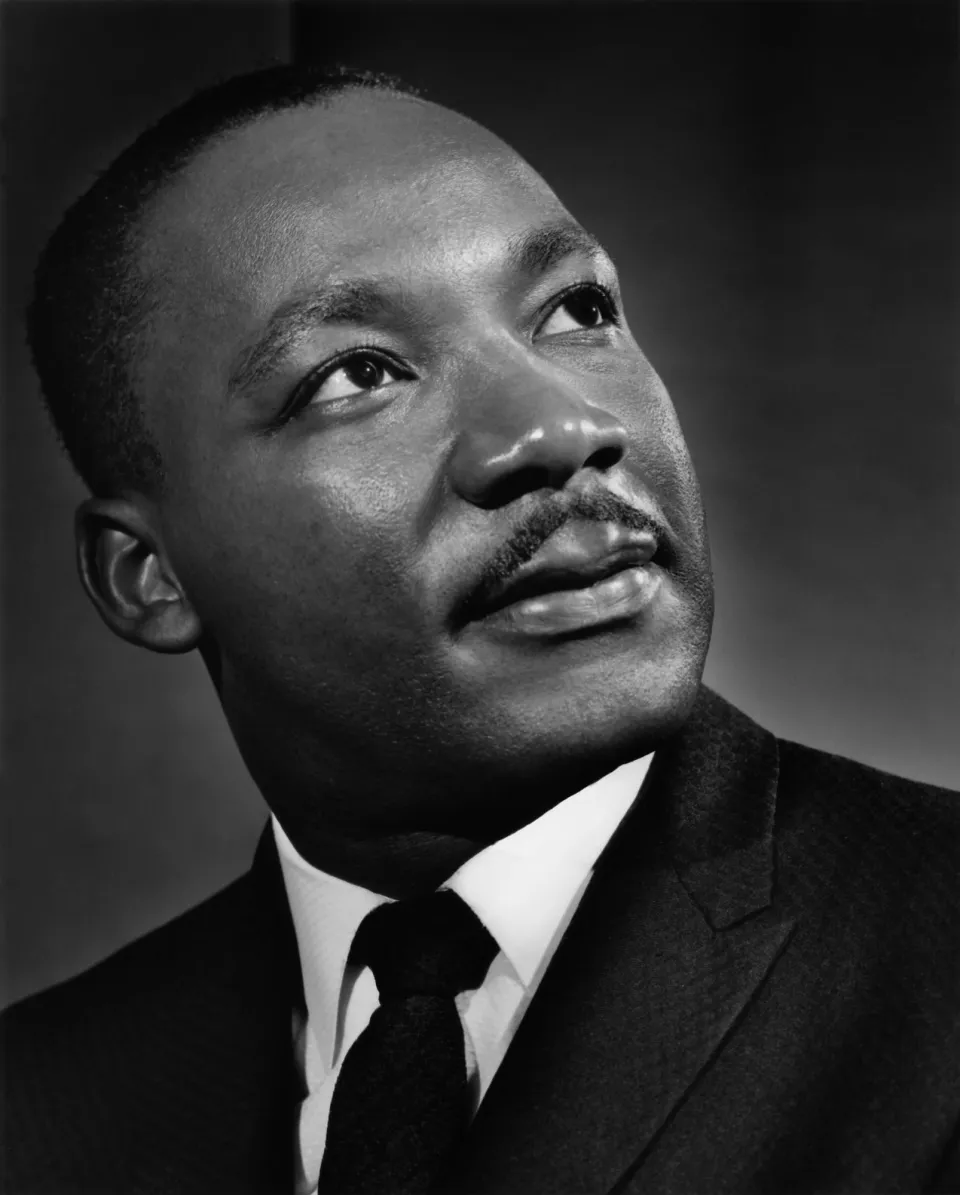

Each year, Civil Rights Month offers an opportunity to reflect on the ongoing struggle for equality, justice, and human dignity in the United States. At the heart of this reflection is the legacy of Dr. Martin Luther King Jr., a leader whose courage, vision, and commitment to nonviolence helped transform the nation.
The Life and Leadership of Dr. Martin Luther King Jr.
Dr. Martin Luther King Jr. was born on January 15, 1929, in Atlanta, Georgia. As a Baptist minister and civil rights leader, he became one of the most influential figures in American history. Dr. King believed deeply in the power of peaceful protest and moral persuasion, drawing inspiration from his faith and the teachings of Mahatma Gandhi.
He rose to national prominence during the Montgomery Bus Boycott in 1955, a protest sparked by Rosa Parks’ refusal to give up her seat on a segregated bus. This movement marked the beginning of a broader push to dismantle segregation and discriminatory laws across the country.
The Civil Rights Movement
The Civil Rights Movement of the 1950s and 1960s sought to end racial discrimination and secure equal rights for African Americans. Through marches, boycotts, sit-ins, and speeches, activists challenged unjust systems and demanded change.
One of Dr. King’s most powerful moments came in 1963 during the March on Washington, where he delivered his historic “I Have a Dream” speech. In it, he called for a nation where people would be judged not by the color of their skin, but by the content of their character. This speech remains a defining message of hope, unity, and justice.
The movement helped lead to major legislative victories, including the Civil Rights Act of 1964 and the Voting Rights Act of 1965, which outlawed segregation and protected voting rights.
Why Civil Rights Month Matters Today
Civil Rights Month is not only about remembering the past—it is about recognizing that the work of justice and equality continues. While significant progress has been made, issues such as racial inequality, social injustice, and unequal access to opportunity still exist.
Honoring Dr. King’s legacy means committing to fairness, respect, and compassion in our everyday lives. It means standing up against injustice, listening to diverse voices, and working toward stronger, more inclusive communities.
Carrying the Legacy Forward
Dr. Martin Luther King Jr. once said, “The time is always right to do what is right.” Civil Rights Month reminds us that positive change begins with individual actions—whether through education, service, advocacy, or simple acts of kindness.
By reflecting on the lessons of the Civil Rights Movement and the life of Dr. King, we honor those who fought for equality and renew our responsibility to build a future rooted in justice, unity, and hope for all.




Leave a Reply
Your email is safe with us.